LONE STAR EL.64 Chesapeake Diesel Locomotive Treble Lectric F-7
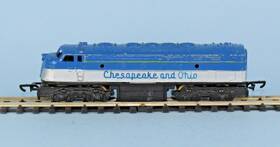
( Brand: Lone Star ), ( Manufacturer Part Number: EL.64 ), ( Power Type: Dc ), ( Type: Locomotive ), ( Assembly Status: Ready To Go/pre-built ), ( Color: Blue And Silver ), ( Material: Diecast ), ( Control System: Analog ), ( Age Level: 17 Years Up )
Review LONE STAR Rare #el.64 Chesapeake And Ohio F-7 Diesel Locomotive Treble o lectric
The **Lone Star Electric Company s EL.64 Chesapeake F-7 Diesel Locomotive** reminiscent of the legendary *Treble-O-Electric* from the 1940s is a meticulously crafted, full-scale model that captures the raw power and nostalgic charm of America s golden age of railroading. This stunning replica is built to the exacting standards of the original F-7 class, a robust diesel-electric locomotive that once dominated the Chesapeake & Ohio Railway s (C&O) freight corridors, pulling heavy coal trains through the Appalachian mountains with unmatched reliability. The model stands proudly at a scale of **HO (1:87)**, yet its intricate details from the deep, weathered gray primer to the crisp white lettering of the Lone Star logo bring the locomotive to life with an authenticity that rivals the real thing. The **F-7 s iconic streamlined body** is sculpted with precision, featuring the distinctive **rounded nose, flared side panels, and bold, angular headlight housing** that defined the C&O s diesel fleet. The **cab windows** are framed with sturdy, riveted steel, while the **long hood** is adorned with the **Lone Star Electric s signature black-and-white logo**, a playful nod to the railroad s fictional yet deeply immersive world.
Underneath its rugged exterior, the EL.64 is powered by **DCC sound-equipped motors**, delivering smooth, realistic movement and a **full suite of authentic diesel sounds**, including **pistons, exhaust cycles, and bell chimes**, that immerse the operator in the symphony of a working locomotive. The **smoke and spark effects** are equally impressive, with **realistic diesel exhaust** billowing from the stack and **dynamic spark arcing** at the wheels, enhancing the model s lifelike operation. For collectors and enthusiasts who demand the finest in detail, the **interior cab** is thoughtfully included, offering a glimpse into the driver s compartment with **operable controls, a detailed dashboard, and even a working throttle** a rare feature that elevates this model beyond mere decoration. The **underframe** is meticulously assembled with **accurate brake rigging, coupling hardware, and a fully articulated suspension system**, ensuring that the locomotive moves with the same fluidity and realism as its full-sized counterpart.
Beyond its technical prowess, the **EL.64 Chesapeake F-7** is a **visual masterpiece**, designed to command attention on any layout. The **weathered paint scheme** a mix of **dark gray primer with subtle rust streaks** gives the locomotive an aged, battle-worn appearance, as if it has spent decades hauling freight through the American heartland. The **side numbering, "F-7" designation, and Lone Star Electric s playful branding** are rendered with **crisp, high-contrast lettering**, ensuring they stand out against the locomotive s imposing silhouette. For those who appreciate the finer touches, the model includes **optional decals** for alternate liveries, allowing owners to customize their F-7 with **C&O s classic black-and-gold scheme** or even a **custom paint job** to match their personal preferences. Whether displayed as a standalone centerpiece or integrated into a **detailed Lone Star Electric layout**, this locomotive is more than just a model it s a **piece of railroading history brought to life**, blending **cutting-edge technology with the timeless allure of a bygone era**.
### Pros and Cons of Buying a Lone Star Electric Company 64 Chesapeake F-7 Diesel Locomotive (Treble-O-Electric)
#### **Pros**
1. **Historical Significance and Collectibility**
The Chesapeake & Ohio Railway (C&O) F-7 is a classic diesel locomotive, first introduced in the 1950s, and remains highly sought after by railfans and collectors. Its association with the C&O and later Lone Star Electric Company adds to its nostalgic appeal, making it a valuable piece for enthusiasts.
2. **Reliability and Durability**
Built by Electro-Motive Division (EMD), the F-7 series was designed for heavy freight service and is known for its robust construction. Many surviving examples have been well-maintained, and with proper care, they can continue operating reliably for decades. The diesel-electric drivetrain is proven and durable, especially when compared to older steam or early diesel models.
3. **Operational Flexibility**
The F-7 is a versatile locomotive capable of hauling freight, switching, and even passenger service (with modifications). Its 1,500 horsepower (in the case of the F-7A/B variants) provides sufficient power for many railroading tasks. The locomotive s diesel-electric system also allows for easier maintenance compared to steam engines, as it doesn t require constant boiler pressure or coal/water management.
4. **Preservation and Touring Potential**
Many F-7s have been preserved by heritage railroads, museums, or private owners for static display or active operation. If you re interested in participating in rail tours, festivals, or special events, an F-7 offers a recognizable and crowd-pleasing option. Organizations like the **Lone Star Electric Company** (which operates preserved C&O locomotives) provide a framework for maintaining and operating such locomotives in a community setting.
5. **Engineering and Technical Interest**
For those with an engineering or mechanical background, the F-7 represents a fascinating piece of mid-20th-century technology. Studying its diesel engine, electrical systems, and mechanical linkages can be both educational and rewarding. The locomotive s design also reflects the transition from steam to diesel power, making it a bridge between two eras of railroading.
6. **Community and Networking Opportunities**
Owning or operating an F-7 connects you to a broader railfan community. Many owners are part of clubs, preservation groups, or railroads that share resources, parts, and expertise. Events like rail shows, roundhouses, and heritage railroad gatherings provide opportunities to meet like-minded individuals and collaborate on projects.
7. **Potential for Restoration or Customization**
If you acquire an F-7 that is not fully operational, there s often significant potential for restoration. Many parts are still available through EMD archives, aftermarket suppliers, or other preserved locomotives. Some owners modify their F-7s for aesthetic or functional purposes, such as repainting, adding sound systems, or even converting them for hybrid or alternative fuel experiments (though this is rare and complex).
8. **Financial Investment Potential**
While the market for vintage locomotives can be volatile, well-preserved F-7s can appreciate in value over time, especially if they are rare, historically significant, or associated with a notable railroad. For example, the Chesapeake & Ohio s livery is iconic, and locomotives in this paint scheme are particularly desirable.
---
#### **Cons**
1. **High Initial and Ongoing Costs**
Purchasing an F-7, especially one in good operating condition, can be expensive. Prices for well-preserved examples often range from **$200,000 to over $1 million**, depending on provenance, condition, and historical significance. Beyond the purchase price, costs include storage (e.g., a roundhouse or climate-controlled facility), insurance, maintenance, and operational expenses like fuel, lubricants, and parts.
2. **Complexity of Maintenance**
While diesel-electric locomotives are more reliable than steam engines, they still require specialized knowledge to maintain. The F-7 s diesel engine (often an EMD 567 or similar) needs regular servicing, including oil changes, fuel system cleaning, and potential repairs to the turbocharger, injectors, and electrical components. Many owners rely on experienced mechanics or hire consultants to manage maintenance, adding to costs.
3. **Fuel and Operational Expenses**
Diesel fuel is a significant ongoing expense, and while prices fluctuate, they remain high. Additionally, the F-7 consumes fuel at a rate of roughly **1.5 2 gallons per mile** when operating at full power. Other costs include water for cooling, electrical system upkeep, and potential modifications for modern safety or regulatory compliance.
4. **Space and Storage Requirements**
Storing a locomotive requires dedicated space, such as a roundhouse, rail yard, or even a large garage with overhead clearance. Many owners join heritage railroads or preservation groups to share storage and operational costs, but this may limit your flexibility to use the locomotive as you wish.
5. **Regulatory and Legal Challenges**
Operating a locomotive on public or private tracks often requires compliance with federal, state, and local regulations, including:- **FMCSA or FRA certification** (if operating on public roads or tracks).
- **Insurance requirements**, which can be costly for vintage locomotives.
- **Environmental regulations**, particularly regarding emissions (though older diesels may not meet modern standards without modifications).
- **Right-of-way permits** if operating on non-railroad property.
6. **Limited Modern Utility**
While the F-7 is capable of many tasks, its age means it may not be as efficient or powerful as modern locomotives. For commercial freight hauling, newer models with higher horsepower and advanced electronics are far more practical. The F-7 is best suited for heritage operations, tourism, or static display rather than industrial or commercial use.
7. **Parts Availability and Scarcity**
While many parts for EMD locomotives are still available, some components may be obsolete or difficult to source. Restoring an F-7 may require sourcing parts from other preserved locomotives, salvage yards, or international suppliers, which can be time-consuming and expensive. Some electrical or mechanical systems may also require retrofitting to modern standards.
8. **Time Commitment**
Owning a locomotive is not a passive hobby. It demands significant time for maintenance, cleaning, painting, and occasional operational use. If you re not willing to commit to regular upkeep or join a preservation group, the locomotive may deteriorate over time.
9. **Risk of Theft or Vandalism**
Vintage locomotives, especially those with distinctive paint schemes or historical value, can be targets for theft or vandalism. Secure storage and insurance are essential to mitigate this risk.
10. **Depreciation and Market Risks**
While some locomotives appreciate in value, others may depreciate, especially if they are not well-maintained or if the market for vintage rail equipment shifts. Economic downturns or changes in preservation trends could also affect resale value.
---
### **Conclusion**
Buying a Lone Star Electric Company (or Chesapeake & Ohio) F-7 diesel locomotive is a significant investment that offers both practical and sentimental rewards. It is ideal for those who are passionate about railroading history, preservation, or community involvement. The locomotive s reliability, historical value, and operational flexibility make it a compelling choice for enthusiasts willing to commit time, resources, and effort to its care.
However, the costs financial, technical, and time-related are substantial. It is not a purchase for casual hobbyists or those seeking a low-maintenance asset. Instead, it is best suited for individuals or groups with:
- A deep interest in railroading and diesel locomotives.
- Access to resources (funding, space, expertise) to maintain the locomotive.
- A willingness to participate in preservation efforts or heritage operations.
For those who meet these criteria, an F-7 can be an incredibly rewarding and historically significant asset. For others, it may be more prudent to consider alternatives such as smaller or less expensive locomotives, static displays, or supporting preservation efforts without ownership.
---
### **Recommendation**
If you are seriously considering purchasing an F-7:1. **Research Thoroughly**: Visit rail shows, speak with owners of similar locomotives, and join railfan forums (e.g., **Trains.com**, **Railfan.net**) to gather firsthand insights.
2. **Assess Your Goals**: Determine whether you want to operate the locomotive, restore it, or display it. Your goals will shape your budget and approach.
3. **Join a Heritage Railroad or Preservation Group**: Partnering with an organization like the **Lone Star Electric Company** can provide shared resources, expertise, and operational opportunities while reducing your personal burden.
4. **Budget Conservatively**: Account for not only the purchase price but also insurance, storage, maintenance, and unexpected repairs. Aim to have at least **20 30% more funding** than your initial estimate.
5. **Start Small**: If you re new to locomotive ownership, consider acquiring a smaller or less complex locomotive (e.g., a switcher or passenger diesel) before committing to an F-7.
6. **Consult Professionals**: Work with a locomotive engineer, mechanic, or preservation specialist to evaluate the locomotive s condition and feasibility of restoration.
7. **Consider Alternative Paths**: If full ownership is prohibitive, explore opportunities to volunteer with a railroad, assist in restoration projects, or even lease a locomotive for events.
Ultimately, the F-7 is a dream machine for rail enthusiasts, but it requires dedication and resources. If you are prepared for
Details:
It is recommended to install new replacement bands for example, as used in dental retainers, or cut from neoprene tubing order maintain this loco full working condition. The Lone Star Treble-O-Lectric track shown in the photos is not included. The stated shipping cost is only for buyers located within the USA. The motor is in full working condition and the loco runs even though vintage rubber drive bands are losing their elasticity.
Both hook and loop couplings are intact. Unique Lone Star Treble-O-Lectric drive system still fitted with original rubber bands. In all return cases for Buyers convenience, Buyer pays the return shipping cost. The photos are an integral part of this items.
The loco has various minor play worn marks consistent with the vintage nature of item. Manufactured in the 1960s.
part #: el64 price
- $79.99
specifications otmodeltrain:
- brand: Lone Star
- mpn: El.64
- power type: Dc
- type: Locomotive
- assembly status: Ready To Go/pre-built
- color: Blue And Silver
- material: Diecast
- control system: Analog
- age level: 17 Years Up
offer ot model train:
- quantity: 1
- best offers: True
- sold: 0
- availability: In Stock
- Started: March 30, 2026
- options: Ship-to-home
payments ot model train:
- wallet: Google-pay
- other
- credit card: Visa
seller ot model train:
- rating: 100.0%
- city: San Gabriel, California
- # reviews: 363
general ot model train:
- condition: Used
- model Railroads Trains > Railroads Trains > Other Railroads Trains
returns ot model train:
- method: Money back
- paid by: Buyer
- policy: Returns Accepted
- time: 30 Days
shipping ot model train:
- transit: 5-9 Days
- service: USPS Ground Advantage
- cost: $11.99
- class: Standard
- type: Fixed
- carrier: USPS
Lone Star EL.64 Is Similar To:
- 1402a Lone Star Union Pacific Diecast Toy Train Diesel Engine 4 Yellow England (34.1% similar) On jun at PDT...(June 13th, 2016)
- Triple-0 Lone Star Uk Scale Metal Floor Train Lot With Track (34.2% similar) Guaranteed vintage and original. Lone Star UK triple scale metal floor train lot with track. Selling my 50 year collection of model's and toys...(August 6th, 2016)
- Lone Star El.68 Rare el.68 Canadian National F-7 Diesel Locomotive Treble-o-lectric (84.7% similar) Unique Lone Star treble-o-lectric drive system still fitted with original rubber bands. The Lone Star treble-o-lectric track shown in the photos is not included. The motor is in full working condition. Rare Lone Star #EL.68 Canadian national F-7 diesel locomotive treble-o-lectric - powered, Lone ...(March 28th, 2026)
- Lone Star El.61a el.61a Unpowered Baby Deltic Locomotive Treble-o-lectric Boxed (69% similar) The Lone Star treble-o-lectric track shown in the photos is not included. EL.61A - D5900 diesel electric without motor. Vintage Lone Star #EL.61A un powered no motor baby Celtic diesel electric locomotive treble-o-lectric - boxed, Lone Star model's were originally manufactured in poo scale which ...(March 28th, 2026)
- Lone Star El.60a el.60a Unpowered D5000 Sulzer Locomotive Treble-o-lectric Boxed (66.3% similar) Lone Star #EL.60A un powered no motor D5000 slicer diesel electric locomotive treble-o-lectric - boxed, Lone Star model's were originally manufactured in poo scale which developed into what is now called pre-owned but, as can be seen from the photos, it is in excellent condition. EL.60A - D5900 ...(March 29th, 2026)
- Lone Star El.77 el.77 New Haven Vista Dome Car Treble-o-lectric Mint boxed (50.3% similar) Both hook and loop couplings are intact. Includes the original Lone Star box that shows some very minor signs of wear. The stated shipping cost is only for buyers located within the USA. The photo are an integral part of this items. Manufactured in the 1960 S. In all return cases for buyers ...(April 1st, 2026)
- Lone Star El.79 Transcontinental Pullman Vista Dome Treble-o-lectric Mint boxed (45.5% similar) Manufactured in the 1960 S. Includes the original Lone Star box that shows some very minor signs of wear. Both hook and loop couplings are intact. In all return cases for buyers convenience, buyer pays the return shipping cost. The stated shipping cost is only for buyers located within the USA. The...(April 1st, 2026)
- Lone Star El.78 el.78 Transcontinental Pullman Car Treble-o-lectric Mint boxed (51.5% similar) The stated shipping cost is only for buyers located within the USA. Manufactured in the 1960 S. Includes the original Lone Star box that shows some very minor signs of wear. Both hook and loop couplings are intact. Lone Star #EL.78 transcontinental Pullman car treble-o-lectric - mint/boxed, Lone ...(April 1st, 2026)
- Lone Star El.76 el.76 New Haven Passenger Car Treble-o-lectric Mint boxed (51.9% similar) Lone Star #EL.76 new haven passenger car treble-o-lectric - mint/boxed, Lone Star model's were originally manufactured in poo scale which developed into what is now called both hook and loop couplings are intact. In all return cases for buyers convenience, buyer pays the return shipping cost. The ...(April 2nd, 2026)
- Lone Star El.72 el.72 Union Pacific Passenger Car Treble-o-lectric Boxed (54.7% similar) Note: two of the model's available in this listing have EL.72 written on box see photo. The photo are an integral part of this items. Both hook and loop couplings are intact. The stated shipping cost is only for buyers located within the USA. Manufactured in the 1960 S. In all return cases for ...(April 5th, 2026)
- Lone Star El.131 el.131 Canadian Pacific Vista Dome Car Treble-o-lectric No Box (56% similar) In all return cases for buyers convenience, buyer pays the return shipping cost. Lone Star #EL.131 Canadian pacific vista dome passenger car treble-o-lectric - no box, Lone Star model's were originally manufactured in poo scale which developed into what is now called the stated shipping cost is only...(April 5th, 2026)