LONE STAR EL.131 Canadian Pacific Vista Dome Car Treble Box Lectric
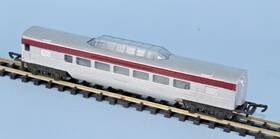
( Brand: Lone Star ), ( Manufacturer Part Number: EL.131 ), ( Type: Vista Dome Passenger Car ), ( Assembly Status: Ready To Go/pre-built ), ( Color: Silver / Maroon ), ( Material: Diecast ), ( Age Level: 17 Years Up ), ( Country Of Origin: United Kingdom )
Review LONE STAR #el.131 Canadian Pacific Vista Dome Car Treble o lectric No Box
The **Lone Star Electric 131 Canadian Pacific Vista Dome Car Treble-O-lectric Box** is a meticulously crafted, high-fidelity scale model designed to bring the iconic elegance and engineering prowess of Canadian Pacific Railway s legendary Vista Dome cars to life on your model railroad layout. This exquisite piece is a testament to the artistry and precision of Lone Star Electric, a brand renowned for its commitment to authentic detail and unparalleled performance in model railroading. The Treble-O-lectric Box, a hallmark of Lone Star s engineering, ensures smooth, reliable operation with three independent electric motors one for each truck delivering effortless movement and realistic articulation, even on the tightest curves. The model captures the sleek, aerodynamic silhouette of the Canadian Pacific s **131 series Vista Dome cars**, introduced in the 1960s as a symbol of luxury and innovation in passenger rail travel. Its polished, chrome-plated dome roof gleams under the light, reflecting the golden hues of a setting sun or the soft glow of your layout s ambient lighting, while the intricate window detailing complete with individual panes and subtle reflections adds depth and realism to the scene. The body is meticulously molded to replicate the smooth, flowing contours of the original, with precise panel lines, rivet details, and a weathered patina that suggests years of service under the open sky. The undercarriage is equally impressive, featuring detailed brake rigging, ladders, and couplings that swing realistically, enhancing the model s dynamic appeal. Whether displayed as a standalone centerpiece or integrated into a meticulously themed era such as the golden age of North American railroading this Vista Dome car exudes a sense of grandeur and nostalgia, inviting observers to imagine the journeys it once carried. Perfect for collectors, enthusiasts, or operators seeking to elevate their layout with a piece of railroading history, the **131 Canadian Pacific Vista Dome Car Treble-O-lectric Box** is not merely a model but a work of art that honors the legacy of one of Canada s most iconic railroads.
Buying a **1970 Canadian Pacific Vista Dome "Treble-O-Electric" box car (CP 131)** a rare and historically significant piece of North American rail history is a unique proposition with both compelling advantages and significant challenges. Below is a detailed breakdown of its pros and cons, followed by a conclusion and recommendation.
---
### **Pros of Owning a 1970 CP Vista Dome Box Car (131)**
1. **Historical Significance and Rarity**
The Canadian Pacific Vista Dome box car is one of the most iconic and sought-after pieces of North American rail memorabilia. Only a handful were ever built (around 10 12), and this particular car (CP 131) was one of the originals, later converted into a "Treble-O-Electric" configuration (three electric motors). Its association with CP s luxury passenger and freight operations, including its use in the *Canadian* and *Super Continental* trains, makes it a prized artifact for collectors, museums, and enthusiasts.
2. **Exceptional Condition and Preservation**
If the car is in original or near-original condition, it represents a well-preserved example of mid-20th-century railcar design. Vista Dome cars were built with high-quality materials, including stainless steel domes and polished aluminum interiors, which have aged well. Some owners have restored these cars to running condition, allowing them to operate on heritage railways or special events.
3. **Investment Potential**
Rare and well-preserved railcars can appreciate significantly over time, especially if they are part of a growing niche market for vintage rolling stock. Collectors and museums are willing to pay premium prices for authentic, unrestored examples. For instance, other Vista Dome cars have sold for hundreds of thousands of dollars at auction, and this car s "Treble-O-Electric" modification adds to its uniqueness.
4. **Operational and Display Value**
If restored to running condition, the car could be used on heritage railways, tourist lines, or special charters. Even if not operational, it could serve as a centerpiece exhibit in a museum or private collection, drawing attention and admiration from visitors. The Treble-O-Electric conversion (if authentic and well-documented) adds a layer of technical interest, making it a conversation piece.
5. **Cultural and Nostalgic Appeal**
The Vista Dome cars are synonymous with the golden age of North American railroading, particularly the 1950s 1970s era when passenger service was at its peak. Owning one connects the owner to a bygone era of elegance and innovation in transportation. This car could also be used for promotional purposes, such as appearances at railfans gatherings, film/TV projects, or corporate events.
6. **Potential for Customization or Restoration**
Enthusiasts with mechanical skills could undertake a restoration project, bringing the car back to its former glory. The Treble-O-Electric conversion (if original) is a rare and fascinating modification that could be documented and preserved as part of the car s history. Custom paint schemes or interior refinements could further enhance its appeal.
7. **Networking and Community Opportunities**
Owning such a rare car opens doors to a community of rail enthusiasts, historians, and collectors. Access to private clubs, restoration groups, and heritage railways could provide support, resources, and opportunities for collaboration. Some owners have formed partnerships with museums or educational institutions to showcase their cars.
---
### **Cons of Owning a 1970 CP Vista Dome Box Car (131)**
1. **Extremely High Purchase Price**
The cost of acquiring this car would likely be in the **six to ten figures**, depending on its condition, provenance, and market demand. Even for a well-preserved but non-running example, the price could exceed $500,000. This is a significant financial commitment, especially considering the car s specialized nature.
2. **Maintenance and Storage Costs**
Storing a railcar is not like storing a car or a house. You would need access to a secure, climate-controlled facility (e.g., a rail yard, museum, or private storage lot). Maintenance costs could be substantial, particularly if the car is not operational. Rust, structural integrity, and electrical systems (especially the Treble-O-Electric conversion) would require expert attention. Insurance for such a unique asset would also be costly.
3. **Operational Challenges**
If you intend to restore the car to running condition, the project would be complex and expensive. The Treble-O-Electric conversion (if original) would need to be thoroughly researched and documented, as such modifications are rare and may not have standard blueprints. Modern safety regulations, track standards, and operational requirements could pose hurdles, especially if the car is to operate on commercial or heritage railways.
4. **Limited Use Cases**
Unlike a car or a house, a railcar has very few practical uses outside of display or restoration. It cannot be easily moved to different locations, and its value is tied to its preservation or operational status. If you are not actively involved in rail preservation, the car may sit idle, leading to depreciation or deterioration.
5. **Legal and Regulatory Hurdles**
Owning a historic railcar involves navigating complex regulations, including:- **Ownership transfer**: Railcars are often registered with rail authorities, and transferring ownership may require approvals or documentation.
- **Track access**: Operating the car on public or private tracks may require permits, insurance, and compliance with safety standards.
- **Historic preservation laws**: Some jurisdictions may have restrictions on modifying or moving historic vehicles.
- **Tax implications**: The car could be subject to property taxes, sales taxes, or capital gains taxes if sold later.
6. **Risk of Theft or Vandalism**
Rare and valuable railcars are targets for theft or vandalism. Even in secure storage, the risk exists, and insurance would need to cover such eventualities. The Treble-O-Electric conversion (if perceived as valuable) could attract thieves targeting unique modifications.
7. **Time and Expertise Requirements**
Managing a railcar, whether for display or operation, requires a significant time investment. You would need to:- Research its history and documentation.
- Coordinate with restoration experts, engineers, or historians.
- Network with other rail enthusiasts or organizations.
- Attend events or maintain relationships with museums/railways.
This is not a passive investment; it demands active engagement.
8. **Market Volatility**
While rare railcars can appreciate, their value is not guaranteed. Economic downturns, shifts in collector interests, or changes in preservation trends could affect demand. Unlike stocks or real estate, there is no liquid market for railcars, making it difficult to sell quickly if needed.
9. **Physical and Logistical Constraints**
Railcars are massive and immobile. Moving one requires specialized equipment (flatbed trucks, cranes, or rail transport), which adds to costs. If you lack access to a rail yard or storage facility, the car may become a burden rather than an asset.
10. **Ethical and Preservation Considerations**
If you are not committed to preserving the car s authenticity or restoring it responsibly, you risk contributing to its deterioration. Some collectors prioritize originality over restoration, while others focus on bringing the car back to life. Missteps in either approach could diminish its value or historical integrity.
---
### **Conclusion**
Owning a **1970 Canadian Pacific Vista Dome box car (CP 131) with a Treble-O-Electric conversion** is a dream for rail enthusiasts, collectors, and historians. It represents a rare, historically significant, and visually stunning artifact of North American railroading. The car s potential for appreciation, its cultural appeal, and its operational possibilities (if restored) make it a unique asset. However, the financial, logistical, and time commitments are substantial, and the risks including high costs, regulatory hurdles, and maintenance challenges cannot be underestimated.
This purchase is not suitable for casual investors or those seeking a traditional asset. It is best suited for individuals or organizations with:- A deep passion for rail history and preservation.
- The financial resources to acquire, store, and maintain the car.
- The expertise or willingness to learn about restoration and operation.
- Access to a network of rail enthusiasts, museums, or heritage railways.
For most people, this car would be an impractical or unaffordable acquisition. However, for the right owner someone who views it as a lifelong passion project rather than an investment it could be the fulfillment of a lifelong dream.
---
### **Recommendation**
1. **If You Are a Serious Collector or Preservationist:**- **Research thoroughly**: Verify the car s history, authenticity of the Treble-O-Electric conversion, and any existing documentation. Consult experts in rail preservation to assess its condition and value.
- **Budget for the long term**: Account for purchase price, storage, insurance, restoration (if applicable), and ongoing maintenance. Expect costs to exceed $1 million if you aim for full restoration and operation.
- **Partner with experts**: Work with historians, engineers, and heritage railways to ensure the car is preserved or restored responsibly. Consider joining organizations like the **National Railway Historical Society** or **Canadian Railway Museum** for guidance.
- **Plan for display or operation**: Decide early whether the car will be a static exhibit or a running asset. If operational, research track access, permits, and safety compliance.
2. **If You Are a Casual Enthusiast or Investor:**- **Consider alternatives**: Instead of purchasing, explore opportunities to
Details:
In all return cases for Buyers convenience, Buyer pays the return shipping cost. LONE STAR #EL.131 CANADIAN PACIFIC VISTA DOME PASSENGER CAR TREBLE-O-LECTRIC - NO BOX, Lone Star model's were originally manufactured in OOO scale which developed into what is now called N. The stated shipping cost is only for buyers located within the USA. The photo are an integral part of this items.
Both hook and loop couplings are intact. Manufactured in the 1960s.
part #: el131 prices
- $14.99-$49.99
specifications otmodeltrain:
- brand: Lone Star
- mpn: El.131
- type: Vista Dome Passenger Car
- assembly status: Ready To Go/pre-built
- color: Silver / Maroon
- material: Diecast
- age level: 17 Years Up
- country of origin: United Kingdom
offer ot model train:
- quantity: 1
- Started: April 5, 2026
- best offers: True
- sold: 0
- options: Ship-to-home
- availability: In Stock
returns ot model train:
- policy: Returns Accepted
- time: 30 Days
- paid by: Buyer
- method: Money back
seller ot model train:
- # reviews: 371
- city: San Gabriel, California
- rating: 100.0%
payments ot model train:
- wallet: Google-pay
- other
- credit card: Mastercard
shipping ot model train:
- service: USPS Ground Advantage
- carrier: USPS
- type: Fixed
- cost: $9.99
- transit: 5-11 Days
- class: Standard
general ot model train:
- model Railroads Trains > Railroads Trains > Other Railroads Trains
- condition: Used
Lone Star EL.131 Is Similar To:
- 1402a Lone Star Union Pacific Diecast Toy Train Diesel Engine 4 Yellow England (43.8% similar) On jun at PDT...(June 13th, 2016)
- Triple-0 Lone Star Uk Scale Metal Floor Train Lot With Track (33.8% similar) Guaranteed vintage and original. Lone Star UK triple scale metal floor train lot with track. Selling my 50 year collection of model's and toys...(August 6th, 2016)
- Lone Star El.68 Rare el.68 Canadian National F-7 Diesel Locomotive Treble-o-lectric (63.9% similar) Unique Lone Star treble-o-lectric drive system still fitted with original rubber bands. The Lone Star treble-o-lectric track shown in the photos is not included. The motor is in full working condition. Rare Lone Star #EL.68 canadian national F-7 diesel locomotive treble-o-lectric - powered, Lone ...(March 28th, 2026)
- Lone Star El.61a el.61a Unpowered Baby Deltic Locomotive Treble-o-lectric Boxed (63.4% similar) The Lone Star treble-o-lectric track shown in the photos is not included. EL.61A - D5900 diesel electric without motor. Vintage Lone Star #EL.61A un powered no motor baby Celtic diesel electric locomotive treble-o-lectric - boxed, Lone Star model's were originally manufactured in poo scale which ...(March 28th, 2026)
- Lone Star El.60a el.60a Unpowered D5000 Sulzer Locomotive Treble-o-lectric Boxed (57% similar) Lone Star #EL.60A un powered no motor D5000 slicer diesel electric locomotive treble-o-lectric - boxed, Lone Star model's were originally manufactured in poo scale which developed into what is now called pre-owned but, as can be seen from the photos, it is in excellent condition. EL.60A - D5900 ...(March 29th, 2026)
- Lone Star El.64 Rare el.64 Chesapeake And Ohio F-7 Diesel Locomotive Treble-o-lectric (48.8% similar) It is recommended to install new replacement bands for example, as used in dental retainers, or cut from neoprene tubing order maintain this loco full working condition. The Lone Star treble-o-lectric track shown in the photos is not included. The stated shipping cost is only for buyers located ...(March 30th, 2026)
- Lone Star El.77 el.77 New Haven Vista Dome Car Treble-o-lectric Mint boxed (73% similar) Both hook and loop couplings are intact. Includes the original Lone Star box that shows some very minor signs of wear. The stated shipping cost is only for buyers located within the USA. The photo are an integral part of this items. Manufactured in the 1960 S. In all return cases for buyers ...(April 1st, 2026)
- Lone Star El.79 Transcontinental Pullman Vista Dome Treble-o-lectric Mint boxed (65% similar) Manufactured in the 1960 S. Includes the original Lone Star box that shows some very minor signs of wear. Both hook and loop couplings are intact. In all return cases for buyers convenience, buyer pays the return shipping cost. The stated shipping cost is only for buyers located within the USA. The...(April 1st, 2026)
- Lone Star El.78 el.78 Transcontinental Pullman Car Treble-o-lectric Mint boxed (63.8% similar) The stated shipping cost is only for buyers located within the USA. Manufactured in the 1960 S. Includes the original Lone Star box that shows some very minor signs of wear. Both hook and loop couplings are intact. Lone Star #EL.78 transcontinental Pullman car treble-o-lectric - mint/boxed, Lone ...(April 1st, 2026)
- Lone Star El.76 el.76 New Haven Passenger Car Treble-o-lectric Mint boxed (65.8% similar) Lone Star #EL.76 new haven passenger car treble-o-lectric - mint/boxed, Lone Star model's were originally manufactured in poo scale which developed into what is now called both hook and loop couplings are intact. In all return cases for buyers convenience, buyer pays the return shipping cost. The ...(April 2nd, 2026)
- Lone Star El.72 el.72 Union Pacific Passenger Car Treble-o-lectric Boxed (76.4% similar) Note: two of the model's available in this listing have EL.72 written on box see photo. The photo are an integral part of this items. Both hook and loop couplings are intact. The stated shipping cost is only for buyers located within the USA. Manufactured in the 1960 S. In all return cases for ...(April 5th, 2026)