1833-1976 Book Power Print Reading Memories
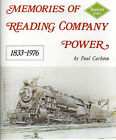
( Part Type: Book )
Review Original Company Rare Book Power Print Reading Memories
"Power 1833-1976: Print Reading Memories"
Delve into the rich and captivating world of "Power 1833-1976: Print Reading Memories," a comprehensive and intriguing exploration of the evolution of printed literature over two centuries. This meticulously researched and beautifully illustrated book takes readers on an engaging journey through the annals of literary history, providing a unique and in-depth perspective on the ways in which print technology has shaped our reading habits and experiences.
From the early days of the hand-press to the advent of digital publishing, "Power 1833-1976" showcases a diverse range of historical artifacts, including rare books, manuscripts, and printing presses, that bring to life the story of print technology's development. Each chapter of the book is dedicated to a distinct period in print history, offering readers a nuanced understanding of the technological innovations, social changes, and cultural shifts that have defined each era.
One of the book's most compelling features is its emphasis on the personal experiences of readers through the ages. By highlighting the ways in which printed books have been used and valued by individuals, "Power 1833-1976" reveals the deep and enduring emotional connection that people have with the written word. From the pleasure of turning the pages of a well-worn novel to the excitement of discovering a new and unknown author, the book explores the myriad ways in which print has enriched our lives and shaped our identities.
In addition to its historical and personal insights, "Power 1833-1976" also offers a thoughtful analysis of the broader implications of print technology on society. By examining the ways in which print has been used to spread ideas, challenge authority, and shape public opinion, the book sheds light on the powerful role that literature has played in shaping our world.
With its stunning illustrations, engaging prose, and wealth of historical information, "Power 1833-1976: Print Reading Memories" is an essential addition to any book lover's library. Whether you are a seasoned bibliophile or a curious newcomer to the world of print, this book will captivate and inspire you with its insightful exploration of the history and impact of printed literature. So why not take a journey through time and discover the power of the written word for yourself? Pick up a copy of "Power 1833-1976: Print Reading Memories" today and prepare to be amazed.
"Book: Power 1833-1976: Print Reading and the British Nation"
Pros:1. Historical Perspective: The book offers a comprehensive historical perspective on the evolution of print reading in Britain from 1833 to 1976. This period saw significant changes in literacy rates, publishing, and reading habits.
2. Interdisciplinary Approach: The author uses a variety of disciplines, including literature, sociology, and history, to analyze the topic. This approach provides a rich and nuanced understanding of the subject.
3. Detailed Analysis: The book provides detailed analysis of various factors that influenced print reading during this period, such as changes in technology, society, and culture.
4. Archival Research: The author has conducted extensive archival research to support their arguments. This adds credibility to the book and provides readers with a wealth of primary source material.
Cons:1. Complexity: The book's interdisciplinary approach and detailed analysis can make it complex and challenging for some readers, especially those without a background in these disciplines.
2. Narrow Focus: While the book focuses on Britain, it may not provide a comprehensive understanding of print reading in other parts of the world during the same period.
3. Dated: The book covers a specific period in history, and some of the arguments and findings may be outdated or no longer relevant in the current context.
Conclusion:"Book: Power 1833-1976: Print Reading and the British Nation" is a valuable resource for scholars and students interested in the history of print reading and its impact on society. Its interdisciplinary approach and extensive archival research provide a rich and nuanced understanding of the subject. However, its complexity and narrow focus may make it challenging for some readers, and its focus on a specific period in history may limit its relevance to contemporary issues.
Recommendation:If you are interested in the history of print reading and its impact on society, this book is a must-read. Its detailed analysis and archival research provide a wealth of information. However, if you find the interdisciplinary approach and complexity challenging, you may want to consider starting with a more introductory book on the subject before moving on to this one.
Details:
We add new books regularly so check back often. No one packages books better than we do.
part #: 1833-1976 prices
- $14.00-$19.00
Ratings:
- great item 01-12-15
- tout est ok 01-12-15
- A great seller to do business with. Thanks so much! 01-12-15
- item as listed 01-11-15
- Great seller 01-13-15
Returns:
- paid by: Buyer
- time: 14 Days
- details: Our books are wrapped and then mailed in high quality packaging materials to prevent damage. If the book is returned, we expect it to be returned in the exact condition as it was received.
- policy: returns accepted
- type: Money Back
Shipping:
- type: Flat
- handling: 1 days
- cost: $4.5
Seller:
- zipcode: 32211
- city: Jacksonville, Florida
Offer:
- # bids: 0
- # Sold: 0
- Started: January 13, 2015, 2:37 pm
- quantity: 1
- best offer: false
General:
- in stock: Yes
- condition: New
- Toys & Hobbies > model Railroads & Trains > Other
Payments:
- PayPal
1833-1976 Is Similar To:
- 2233 Buddy L Vintage 1976 Wind Up Engine Fast Freight Train Set Rare Original Box (32.9% similar) Please feel free to ask questions or request more pics. Engine, cars and tracks in excellent condition, box with some damage corners taped. Item is sold as is. I wound the engine, turned it on and drive wheels went fast...(March 31st, 2016)
- 71958 Power City Trains Crossing Guard-starter Set New Without Original Box 039897719580 (27.5% similar) With real working lights on the signals, kids will feel like they are really part of the crossing guard. Included also is an oval shape track layout and one motorized engine, for a total of 23 pieces. The power city construction trains set offers a complete out of the box entry level experience. ...(January 8th, 2016)
- 4365 Tyco Model Power Southern Railroad Original Box (37.6% similar) I make every effort to point out any flaw, defects or damage. Amp original box great for collections or a unique vintage Malagasy amp store amp b table div amp model power southern railroad. Thanks and good luck. Id AC1247225 SW images. Please consider the photos part of or an add on to the. Amp ...(May 14th, 2016)
- Echo Toys 083284203640 Classic Rail Locomotive And Train Rare Set 891284d-original Box-works (31.3% similar) The set features colorful plastic materials and gauge, is ready to go straight out of the box. Made in china, this rolling stock is perfect for any model railroad and train enthusiast. This echo toys classic rail set includes a rare locomotive and train, both in working order accompanied by the ...(December 23rd, 2023)
- American Flyer M3290 Original m3290 1954 72 Page Instruction Book In Good Condition (29.5% similar) Part #: American flyer M3290 for sale...(September 13th, 2024)
- K-line 040369910053 Rare Coca Cola K-line K1913 Polar Bear Train Set W K2625-02 Handcar Original Box (24.2% similar) This is pre-owned collectible. No defects, but look at photos. Frey shipping in USA only. Used every Christmas. Tested and it works, although tracks should be cleaned to make for a smoother ride...(November 6th, 2024)
- Marx 52750 Beautiful Rare Great Condition Train Set The Champion Original Box (26.8% similar) Please see pics and or request more. Great condition in original box...(January 19th, 2025)
- American Flyer M2894 Original m2984 1952 64 Page Instruction Book In Good Condition (29.5% similar) Hard to believe it is almost 70 years old...(February 6th, 2025)
- Kusan 42010 Us Army Cannon Car With Super Rare Original Shells And Sheild Soldier (30.1% similar) Pusan: 42010 us army cannon car which looks to be in excellent or better condition accompanied by three super rare original plastic shells and a shield with soldier...(March 8th, 2025)
- Lionel 6-6105 Reading Operating Hopper O o27 Gauge Original Box (37.5% similar) Condition is used. Lionel 6-6105 reading operating hopper O/O27 gauge original box. Shipped with USPS ground advantage...(April 24th, 2025)
- Lionel 6-9345 Reading Searchlight Car 0 027 Gauge Original Box (37.8% similar) Part #: Lionel 6-9345 for sale...(July 6th, 2025)